A Designer's Practical Review of a Tea Set SVG Cut File
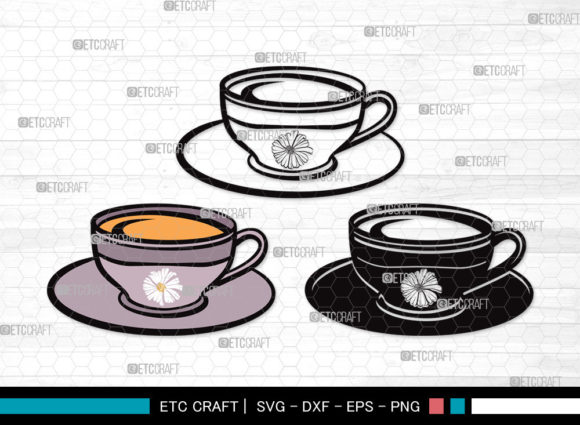
As a designer, the first thing I do when evaluating a graphic asset is to imagine it within a real-world project. My current scenario involves a small business: a charming, independent tea shop launching a new line of seasonal blends. They need a cohesive visual identity for packaging, social media, and in-store signage. Opening the Tea Set SVG Cut File Tea Cup Svg Tea bundle, my immediate impression is one of warmth and quaint charm. The collection feels illustrative and classic, evoking a sense of tradition and cozy hospitality.
The Style & Mood: Where This Asset Naturally Belongs
This tea-themed graphic design asset doesn't scream modern minimalism; it whispers rustic comfort. The style leans towards a hand-drawn, clipart aesthetic, which makes it a natural fit for projects rooted in authenticity. Think handmade businesses, boutique product lines, craft-based Etsy shops, or local event promotions. It would perfectly support branding for a family-run cafe, a subscription box for artisanal teas, or a craft blogger's printable party invitations. The mood is inviting and slightly nostalgic, which can be a powerful tool for emotional appeal and audience engagement.
Performance in Actual Client Projects: From Logos to Social Media
Let’s walk through specific applications. For this tea shop client, a full logo might be too complex, but a single tea cup SVG could serve as a perfect secondary brand mark for product labels or packaging design details. The vector files mean it scales flawlessly from a tiny sticker design to a large poster. For marketing visuals like Instagram posts or Pinterest pins promoting a new "Autumn Spice" blend, the tea pot and kettle illustrations become instant, recognizable hero graphics. Placed on a mockup of a tote bag or mug for merchandise, they add a decorative accent that feels bespoke.
In editorial design for a blog or website graphics announcing a tea tasting event, these elements can break up text and create thematic consistency. For printable designs like wall art in the shop or digital ads, the PNG files offer easy placement. However, this asset's strength lies in its supportive role rather than as a primary focal point in highly professional corporate materials. Its detailed, illustrative nature is its charm.
Strategic Placement: Where It Works Best and Where to Be Careful
The beauty of this bundle is its versatility across Crafts and Graphics, but strategic use is key. It excels in large layout areas where the details can be appreciated—think the backdrop of a flyer or the central graphic on a Canva template for an invitation. It’s ideal for themed collections; using multiple elements from the set together on packaging design or a campaign visual creates a rich, layered story.
Conversely, use it carefully at very small sizes. On a business card or as a tiny icon, the intricate lines might become muddled, harming readability and visual hierarchy. Avoid crowded layouts where it could compete with other elements. On complex backgrounds, ensure strong contrast. For a minimalist branding project seeking a very clean visual hierarchy, this asset might feel too ornate. Always preview it on your specific mockups at both large and small scales.
The Impact on Brand Consistency and Professional Polish
Integrating such a distinct asset affects the entire project's impression. Used consistently across a tea shop's touchpoints—from their SVG cut files for Cricut projects making window decals to their sublimation design for staff aprons—it builds strong visual trust and recognition. It tells a cohesive story. The emotional appeal is clear: it feels personal and artisanal, which can elevate a small business branding effort from generic to genuine.
However, professionalism depends on context. Pairing these illustrations with a clean, sans serif font for body text can ground the whimsy. Using them with a script font might amplify the handmade vibe but risk feeling cluttered. Always test the combinations.
Essential Designer Checks Before Commercial Use
Before finalizing any design for a client, I run practical tests. With this Tea Set SVG Cut File Tea Cup Svg Tea, I immediately test it in black and white to ensure the forms remain clear without color dependency. I check contrast by placing elements on both light and dark backgrounds to confirm legibility. I inspect the provided file formats—SVG, DXF, EPS, PNG—to confirm editability for vector adjustments and transparency for the PNGs, which is crucial for layered digital design assets.
A critical step is confirming the commercial license. As this asset will be used for a client's commercial design projects, print-on-demand products, and possibly as part of a sold digital product like a Canva template, unambiguous commercial use rights are non-negotiable. Finally, I do a test print at high resolution to evaluate print quality for tangible outputs like product labels or printable wall art. Only after these checks does an asset move from my library into a live client project.
Ultimately, the Tea Set SVG Cut File Tea Cup Svg Tea bundle is a specialized tool. It won't fit every project, but for the right one—a project seeking warmth, tradition, and a tactile, crafted feeling—it becomes an invaluable resource. It helps a designer move faster from concept to polished result, providing ready-made illustrations that carry a specific mood and narrative. In the hands of a thoughtful designer, it’s more than clipart; it’s a building block for a believable, engaging brand world.