Best SVG Bundle: A Designer’s Real-World Embroidery Evaluation
As a designer who regularly turns digital files into tangible, stitched projects, the promise of a bundle is always enticing. The “Best SVG Bundle” immediately suggests a curated collection ready for action. My first thought isn’t about the file count, but about the mood and practical usability. When I look at a bundle like this, I’m asking: what kind of story do these graphics tell, and how will they look after the needle hits the fabric?
The Visual Personality and Project Fit
Opening a bundle, you get a first impression of its visual personality. Is it playful, elegant, rustic, or modern? This bundle’s collection likely has a cohesive theme that creates a specific mood. For embroidery, that mood translates directly into product appeal. Imagine a set of graphics with clean lines and friendly motifs. They’d naturally belong on a custom baby blanket or a personalized kitchen towel, creating a handmade feel that customers love. The layout and detail level are crucial; overly intricate designs can become muddled in stitch translation, while simple, bold shapes often sing on fabric.
For a real-life scenario, let’s say I’m preparing a line of embroidered tote bags for my small shop. I’m looking for designs that are recognizable, giftable, and stitch cleanly on canvas. A well-composed bundle provides consistent branding across products. If these graphics have a cohesive style—perhaps nature-themed or typography-focused—I can build a whole collection around them, from tote bags to matching aprons and pillow covers. That consistency builds customer trust and makes my Etsy listings or craft fair booth look professional.
Performance in Real Embroidery Situations
How does this bundle perform when the design file becomes an embroidery file? This is where practical judgment matters. I think through applications: a sweatshirt, a cap, a baby item. Each presents unique challenges.
On a sweatshirt, stitch density and fabric texture are key. A design from this bundle with large, open areas will stitch quickly and hold up well to washing. On the curved surface of a cap, simpler designs with fewer tiny corners are safer bets; complex details can get lost or pucker. For an embroidered patch, which might later be applied to a backpack or jacket, the design needs clear edges and good contrast to stand out.
The inclusion of multiple file formats—SVG, PNG, DXF, EPS, Ai—is a strong foundation. It means I can adapt the graphic for my embroidery software, create printable mockups for my online shop, or even use it for digital product previews. But the file itself doesn’t stitch; my machine does. So I’m always considering how the vector paths will translate into satin stitches or fill stitches. Will small lettering remain legible? Will dense stitch areas cause fabric pull?
Where Careful Application is Needed
Even the best bundles require thoughtful application. Some designs might be perfect for a large tea towel but problematic on a small hoop size. Embroidering onto thin or stretchy fabric demands a lighter stitch density, which might mean simplifying a design’s internal details. Dark fabrics require careful thread color choice for contrast—a light-colored graphic from the bundle might need a bright white or pastel thread palette to pop.
Layered garments, like a hoodie with a front pocket, or products with curved surfaces need extra stabilizer and hoop finesse. I’d avoid using a design with tiny, intricate decorative accents for a cap unless I’ve tested it thoroughly on scrap fabric first. The goal is a clean finished product that looks professional and withstands use, whether it’s a holiday gift for a friend or commercial embroidery for a client’s boutique merchandise.
Impact on Value, Engagement, and Business
Using a cohesive bundle like this affects more than just the stitch. It impacts product value and buyer engagement. A customer seeing a beautifully embroidered pillow cover with a charming, well-executed design perceives higher value. It feels intentional, not random. For my craft business, that translates into better pricing and repeat customers.
For personalized gifts, like a wedding date embroidered onto a blanket with a complementary graphic from the bundle, the result feels special and consistent. The design’s visual personality—whether whimsical or serene—directly influences the gift’s emotional weight. In my Etsy listings, using these graphics to create a family of products—baby clothes, nursery decor, matching parent apparel—makes my shop look curated and builds brand recognition.
Practical Notes from the Hoop
Before I commit any design to a client project or a batch of tote bags, I run through a checklist. First, I test the design on scrap fabric of the same type I’ll use—be it cotton, denim, or fleece. This reveals everything: thread color contrast, the behavior of small details, and whether the stitch density feels right for the fabric weight.
I check the design in both black and white digital mockups to see how it holds its form without color. I compare how it looks on light and dark backgrounds to plan my thread libraries. Stabilizer choice is non-negotiable; it’s the foundation of a clean stitch. I also confirm the licensing terms for the bundle. Can I use these embroidery files for commercial projects, like selling finished embroidered patches or apparel? I never assume; I verify, as this protects my business and respects the creator.
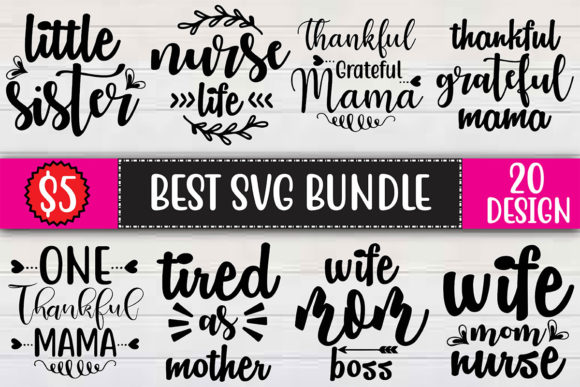
The “Best SVG Bundle” offers a starting point—20 graphics across multiple formats. But its real worth is judged in the making. It becomes a toolkit for creating handmade products that carry a clear, appealing visual voice. When chosen and applied with this practical, realistic mindset, a bundle transforms from a digital download into a reliable partner for your next embroidery project, whether it’s for a personalized baby gift or your small shop’s best-selling sweatshirt.