Evaluating the Elephant Mandala Crafts Tumbler for Brand Design
A First Impression: Sophistication with a Soulful Touch
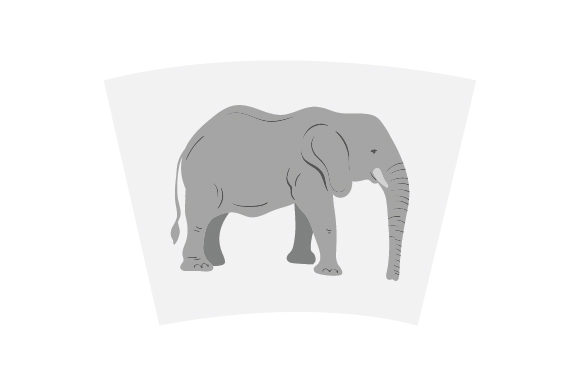
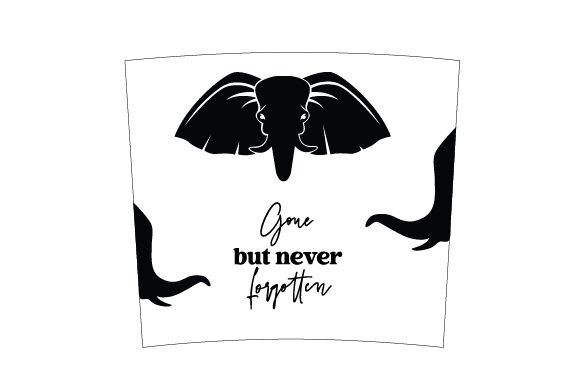
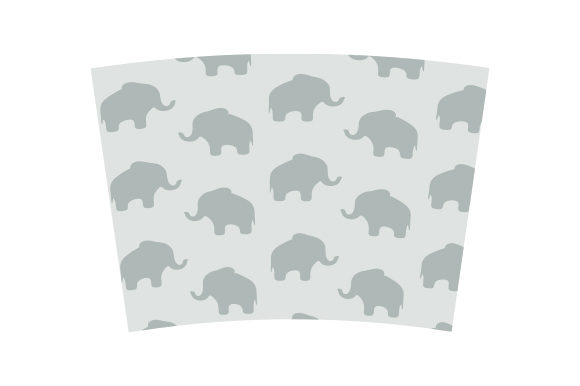
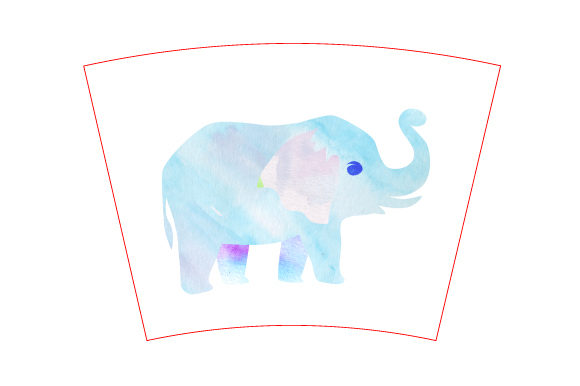
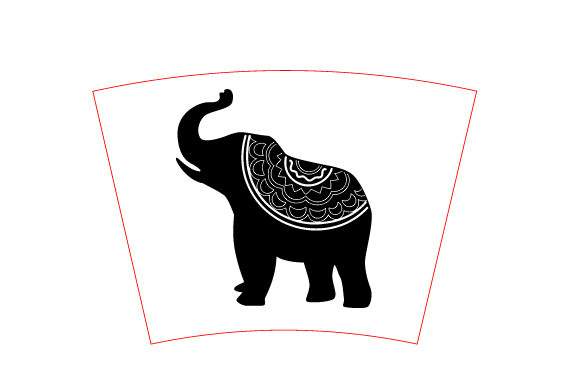
When a graphic design asset like this Elephant Mandala tumbler lands in my inbox for a potential client project, my first thought is about the mood it establishes. This piece immediately suggests a brand personality that is artistic, mindful, and connected to nature. The intricate mandala pattern, centered around the gentle elephant, creates a sense of calm elegance. It feels handmade and decorative, but with a level of detail that lends a premium, artisanal quality. This isn't a loud, festive graphic; it's soft, intentional, and carries a story. I envision it perfectly aligning with businesses that value craftsmanship, wellness, or a connection to the earth—think a boutique candle brand, a skincare line focusing on natural ingredients, a specialty tea shop, or a home decor store with a curated, global feel.
From Digital Asset to Real-World Brand Identity
For a local business owner, the true value of a design asset is its versatility across the entire brand experience. This Elephant Mandala tumbler isn't just a pretty picture; it's a tool for building consistent visual identity. Let’s imagine applying it to a client project for a new handmade soap company. The SVG and EPS files mean the design is fully editable, allowing me to integrate it seamlessly into a cohesive system.
Here’s how it could be deployed:
- Product Label & Packaging Design: The mandala could serve as a central hero graphic on the soap’s primary label, establishing immediate shelf appeal and product recognition. Its detailed nature commands attention.
- Brand Elements & Collateral: Simplified elements from the design could become patterns on hang tags, thank-you cards, or the interior of gift boxes, creating a polished, professional packaging experience.
- Promotional & Marketing Visuals: The transparent PNG is invaluable for creating social media graphics, website banners, or promotional ads. Placing the tumbler on product mockups or in lifestyle shots for editorial design builds a stronger emotional connection with potential customers.
- Store & Print Materials: For a physical boutique, elements could be used on price lists, subtle menu graphics for a cafe, or as decorative accents on flyers and posters, ensuring the brand feels unified from the digital storefront to the physical shelf.
Where This Mandala Design Strengthens Business Presentation
Utilizing a cohesive asset like this across touchpoints directly impacts a small business's success. It elevates the first impression, making a product look intentional and valuable rather than generic. It builds customer trust through perceived professionalism and care. On a crowded shelf, a product with this kind of clear visual hierarchy and decorative detail stands out, leading to better product recognition. For marketing visuals, it provides a ready-made, high-quality element that makes social media graphics or web design look curated, not cobbled together.
Strategic Application: Best Uses and Considerations
In my work, I always match the asset to the context. For the Elephant Mandala tumbler, its strengths are clear.
It works exceptionally well as:
- A focal point on medium to large product labels, especially for items like jars, boxes, or bottle fronts.
- A decorative brand element on less text-heavy areas like packaging lids, the backs of thank-you cards, or boutique window signage.
- The hero graphic in promotional banners for seasonal campaigns, perhaps for a holiday gift collection.
- A base for product mockups, where its detail can be showcased in lifestyle imagery.
It requires careful application in:
- Formal corporate branding where minimalism is key; the decorative nature might feel too ornate.
- Very small labels, where the intricate detail could become muddy and illegible in print.
- Crowded product packaging or ingredient-heavy layouts, where it could compete with crucial regulatory text.
- Luxury minimalist brands seeking a stark, clean aesthetic.
- Designs placed on low-contrast backgrounds, which could diminish its impact.
A Brand Designer's Practical Checklist
Before committing this asset to a client's commercial design project, I run through a standard set of real-world tests. These steps ensure the design performs as intended across all mediums.
- Mockup Testing: Place it on real packaging mockups for your product—a candle jar, a tea tin, a soap box. Does it scale appropriately? Does it feel balanced?
- Functionality Check: Preview the design on a small label size to ensure details remain clear. Test the PNG transparency over various background colors.
- Brand Integration: Test the SVG file with your proposed brand colors. How does it look when color-adjusted? Compare it side-by-side with competitor packaging to gauge its unique appeal.
- Typography Pairing: Place the mandala beside your chosen font styles—a clean sans serif for text, perhaps a delicate script for the product name. Does it complement them without fighting for attention?
- Legal & Commercial Assurance: Always confirm the commercial licensing explicitly allows use for physical product sales and business branding. This is the foundation of ethical and secure professional branding.
The Final Verdict for Local Business Owners
The Elephant Mandala tumbler is a graphic design asset with significant potential for businesses built on storytelling and artistry. Its mood is specific: elegant, soulful, and crafted. For the right brand—a local florist wanting premium gift packaging, a children’s product brand with an ethical story, a coffee shop highlighting single-origin beans—this design can become the visual cornerstone. It supports stronger shelf appeal, more polished marketing visuals, and ultimately, a clearer brand identity that customers remember and trust. As with any powerful decorative element, its success hinges on strategic, thoughtful application, always serving the brand story and the practical needs of the product it represents.