Tea Leaves in a Tea Cup Design for Crafts and Food Businesses
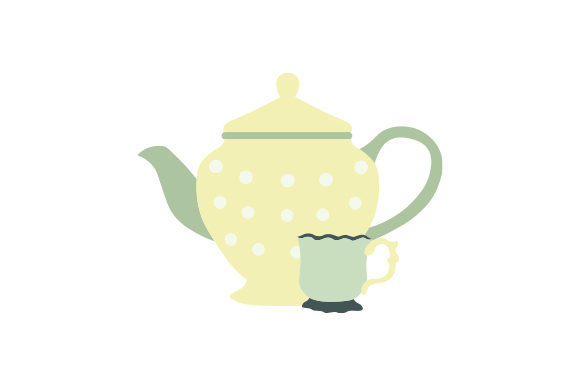
When you find a graphic design asset like Tea Leaves in a Tea Cup, the first step is to assess its commercial potential. Opening the files, I see a clean illustration of tea leaves nestled in a teacup. The style leans towards a decorative, slightly rustic charm. It feels handmade and warm, which gives it immediate niche appeal for audiences interested in cozy crafts, kitchen themes, and food-related content. This isn't a bold, modern graphic; its personality is gentle and inviting. I imagine it attracting buyers who value a sense of tradition, comfort, and simple elegance in their products.
Initial Impression and Target Audience
The mood is distinctly thematic. It would resonate with customers in the Food Amp and Crafts spaces—think sellers focusing on tea parties, baking blogs, cozy kitchen decor, or handmade gift items. The illustration has a decorative quality that makes it feel premium without being overly ornate. This visual personality is perfect for projects that need a touch of warmth without being overly cute or festive. It sits nicely between commercial and artisanal.
Real-World Product Applications
From a business perspective, the utility of this asset comes from its included formats: SVG, transparent PNG, EPS, and DXF. This versatility is key. Here’s how I’d deploy Tea Leaves in a Tea Cup in a real shop scenario, like preparing a spring collection for my Etsy digital download store or a print-on-demand line.
- Printable Products: Instant wall art, framed prints for kitchen decor, or elements for digital paper packs and scrapbooking kits.
- Craft Projects: As an SVG, it’s ready for Cricut projects: planner stickers, greeting cards, invitation templates, and intricate vinyl decals for mugs or tumblers.
- Merchandise Graphics: Sublimation designs for t-shirts, tote bags, and tea towels. The transparent PNG allows easy placement on mockups.
- Digital Templates: Incorporating the PNG into Canva templates for social media graphics, blog banners, or promotional visuals for tea brands.
- Product Bundles: It could anchor a themed bundle—a “Cozy Kitchen” clipart set with complementary icons, boosting perceived value.
Strengths for Product Presentation and Sales
This design asset can significantly elevate your product presentation. Its clear, focused composition works well for visual storytelling in your listings. Use it in mockup previews to show how a sticker would look on a planner or how the art would appear on a mug. This builds customer trust. For thumbnail appeal on marketplaces like Creative Fabrica or Shopify, a clean graphic like this can stand out without being chaotic. It supports brand consistency if you’re building a small business branding around food, crafts, or hospitality.
Optimal Use Cases for Maximum Impact
Where does Tea Leaves in a Tea Cup shine brightest? Think about applications where its decorative nature and thematic clarity are front and center.
- Large Product Previews: In full-size mockups for printable wall art or digital downloads.
- Themed Collections: As a central element in a seasonal bundle, like a “Tea Time” digital product pack.
- Decorative Layouts: As a repeating pattern or accent in invitation suites or packaging design.
- Social Media Promos: As a branded visual in posts or ads for a creative marketplace listing.
- Merchandise Graphics: On products where the design can be appreciated at scale, like mugs or tote bags.
Potential Pitfalls and Practical Testing
Every asset has limits. For a detailed SVG like this, careful testing is crucial before publishing your finished products. Here are areas to scrutinize.
- Tiny Details: The tea leaves might become lost or fuzzy if used for very small sticker details. Always test a physical cut on your Cricut or Silhouette.
- Complex Layouts: Avoid crowding it with too many other elements in a thumbnail; it needs space to be appreciated.
- Low-Resolution Output: While the source files should be high-quality, verify the PNG's resolution if scaling for large format prints.
- Background Contrast: Test it on both white and dark backgrounds. The transparent PNG is essential, but check if lighter lines vanish on white.
- Text Integration: In templates, pair it carefully. It likely complements a serif font for elegance or a clean sans-serif for balance. A busy script might clash.
Essential Seller Checklist Before Listing
Before I list any product using this commercial design, I run through a practical checklist. This avoids customer complaints and ensures professional results.
- Mockup Test: Place the PNG on real product mockups—a mug, t-shirt, and wall art frame. See how it feels in context.
- Thumbnail Preview: Simulate how the design looks as a small marketplace thumbnail. Does it remain clear?
- Background Check: Render the design on both a pure white and a dark background to test visibility.
- Print Color Test: If selling physical products, print a sample to verify colors match your screen preview.
- File Inspection: Open the SVG in your cutting software to inspect node quality and ensure cut lines are clean and closed.
- PNG Transparency: Confirm the PNG background is truly transparent by layering it over various colors.
- File Organization: If bundling it, organize the files clearly for your customers—label formats properly.
- Font Pairing Exercise: Experiment pairing the graphic with different font styles for template products.
- License Confirmation: Double-check the commercial license of the original asset to guarantee your right to sell derivative products.
Final Thoughts on Commercial Utility
Tea Leaves in a Tea Cup is a solid, thematic graphic design asset. Its value lies in its niche appeal and format flexibility. For digital product creators, it’s a versatile component that can enhance a range of offerings, from SVG-based craft projects to PNG-driven social media templates. By testing it thoroughly across potential applications—and being mindful of its limits in very small-scale or cluttered uses—you can integrate it effectively into your online shop. It helps build a cohesive, professional-looking collection, adding perceived value and supporting your visual hierarchy in listings. In the end, assets like this are tools; their success depends on how thoughtfully you apply them to your specific business and audience.